Zones, Amplification, and Control, Explained for Nantucket Homeowners
Search "whole-home audio," and most results describe the appeal: music everywhere, no dead zones, and one app for the whole house. You’ll find less explanation of what makes it work behind the walls, especially in a home built long before anyone planned for speaker wire running through a widow's walk or a wrap-around porch.
Nantucket's housing stock adds its own wrinkle of thick plaster walls, tight attic access, and salty air that easily wears down gear meant for a mainland living room. Understanding the mechanics is worth doing before any wire goes into a wall on the island.
Here's what a zoned audio system consists of, room by room—keep reading.
SEE ALSO: Why Lighting Control Is the Unsung Hero of Home Automation
What Is an Audio Zone?
A zone is any space wired to play audio independently, from a kitchen or bedroom to a guest cottage across the yard. Each zone runs off its own amplifier channel, so volume in the primary bedroom stays separate from volume on the patio unless someone links them on purpose.
A control platform like Control4 handles routing between sources and zones, managing a turntable in the study, a phone streaming in the kitchen, or audio pulled straight from a movie playing on the TV. Three rooms can run three different things at once, or every zone can sync to one song for a party.
A pile of speakers works in isolation. A zoned system works as one, tuned to behave like a single instrument instead of a stack of separate boxes.
What Hardware Is Required for Multi-Room Audio?
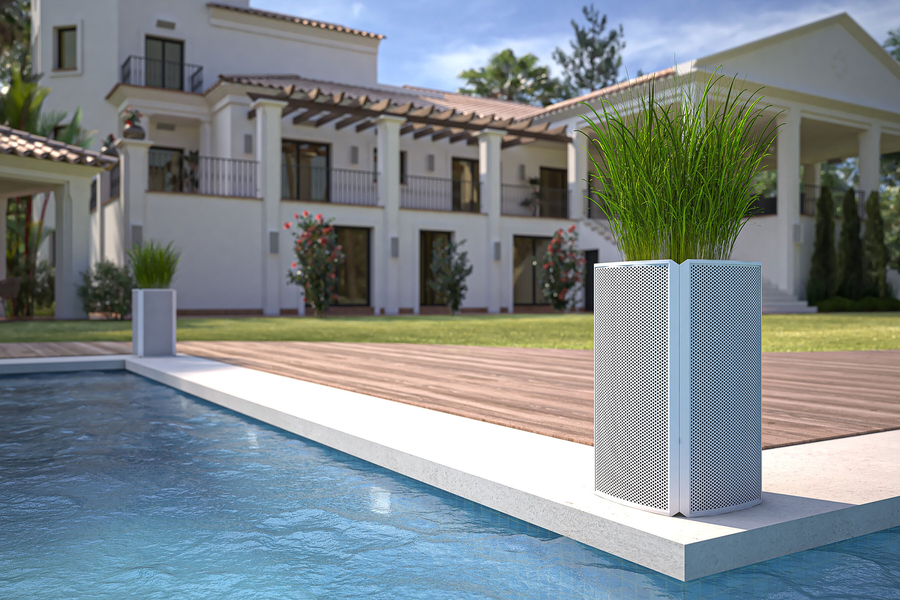
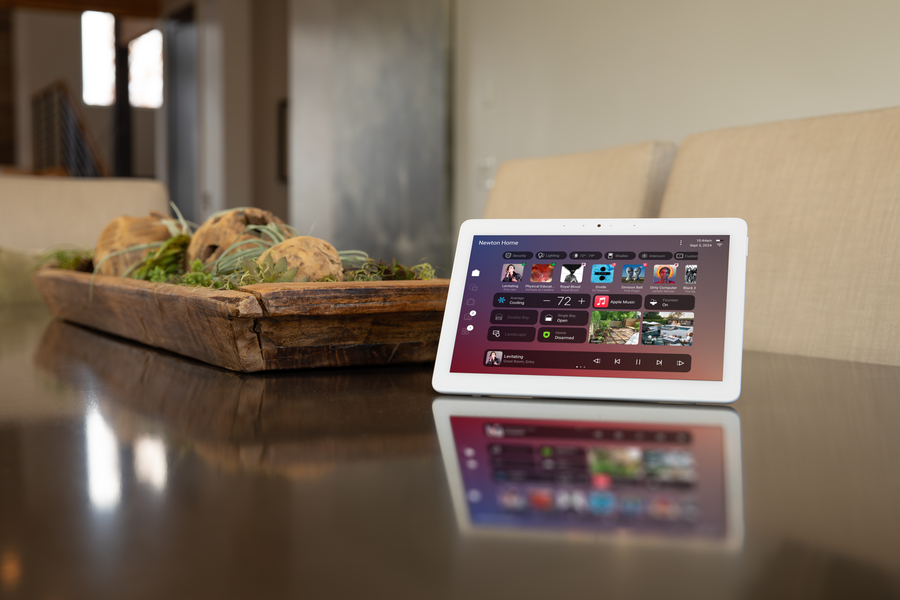
A sleek on-wall keypad is what you’ll see, but the rest of the system works behind the scenes. A matrix amplifier, a set of in-ceiling or in-wall speakers, and a robust network work together to deliver multiple audio streams without dropping a beat. On Nantucket, any outdoor entertainment zone must have moisture-resistant components, since standard indoor gear fails fast in salt air.
Speaker sensitivity and amplifier wattage are selected to match the room size and construction. Thick plaster and low attic clearance change what's possible in an older home compared with new construction.
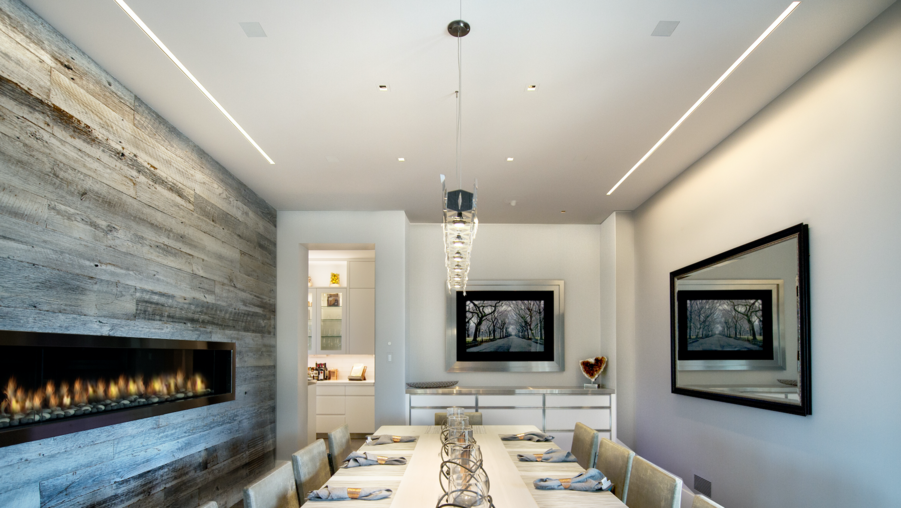
None of this equipment shows once the wiring and installation are finished. It's amp channels and speaker selection done correctly the first time, suited to the house standing in front of the installer, not a generic floor plan.
How Do You Control Every Zone Without a Manual?
A control system only earns its keep when everyone in the house can use it without help or a training manual. A keypad, a touch panel, and an app on a phone all give access to every audio zone, with presets saved for how each room should sound at a given time of day.
Guests and seasonal renters don't need training to start music in the kitchen, and a homeowner doesn't need multiple apps to manage audio in three different spaces.
Why Nantucket Homes Benefit From Phased Installs
Not every zone needs to be installed on day one. A whole-home sound system is designed to cover as much of the property as you’d like. It can start with two or three rooms and expand later without tearing out equipment already running the rest of the house.
That type of project scope, with the flexibility to grow in the future, fits the island's own rhythm, where work often happens during the off-season when a property sits empty. Wiring and amp capacity are planned for the finished house, even when only part of it is being treated now. Adding the primary suite or the pool house next year doesn't mean redoing a closet full of gear that's already carrying the rest of the property.
Ready to Hear It Room by Room?
Whether you already have speakers located in various rooms with no way to tie them all together, or you're planning new construction and want a great sound system built in from the start, we can walk through what a zoned system looks like for your layout. Contact our team here to request a consultation.